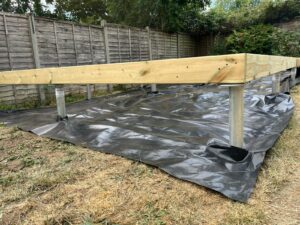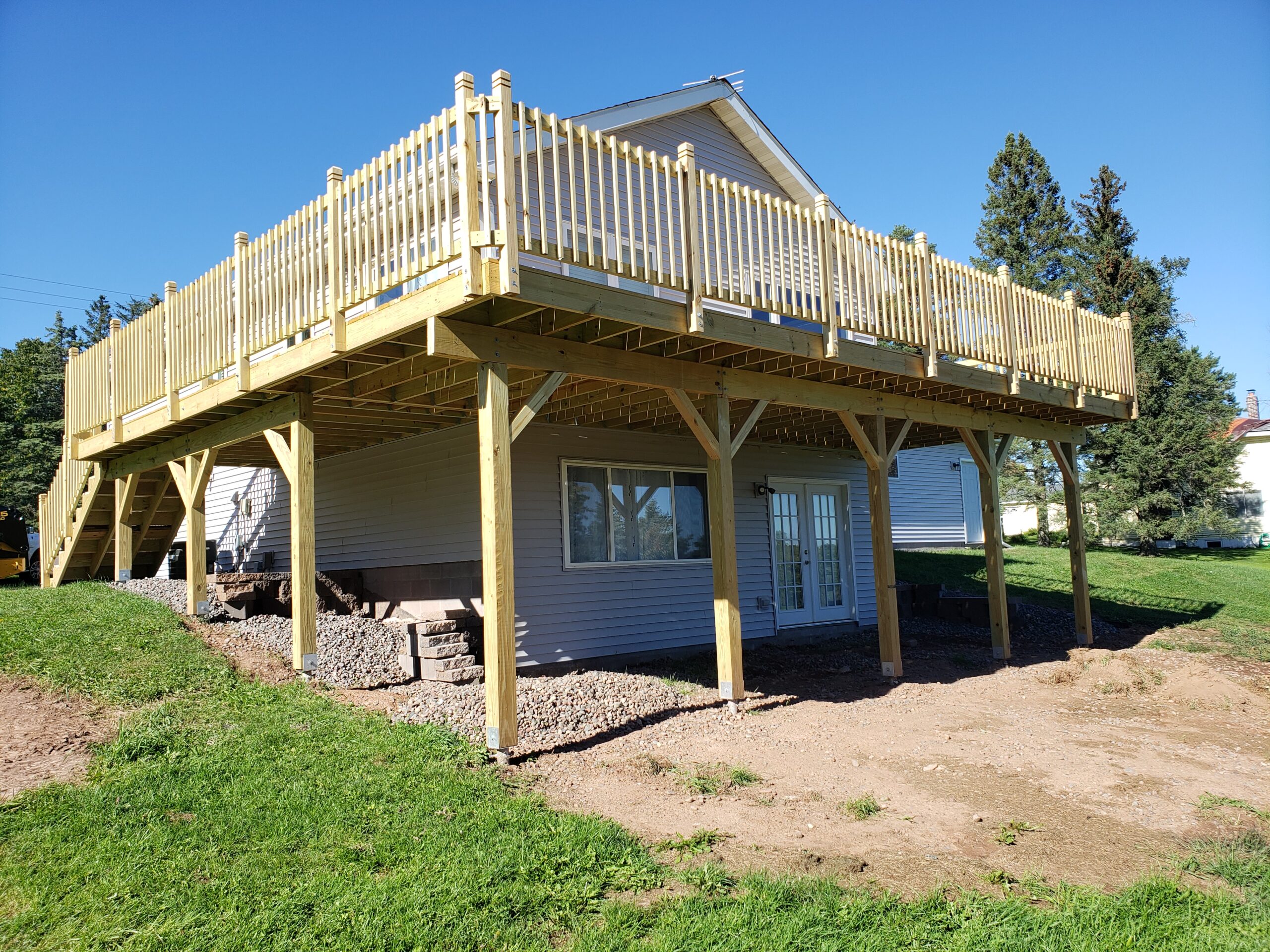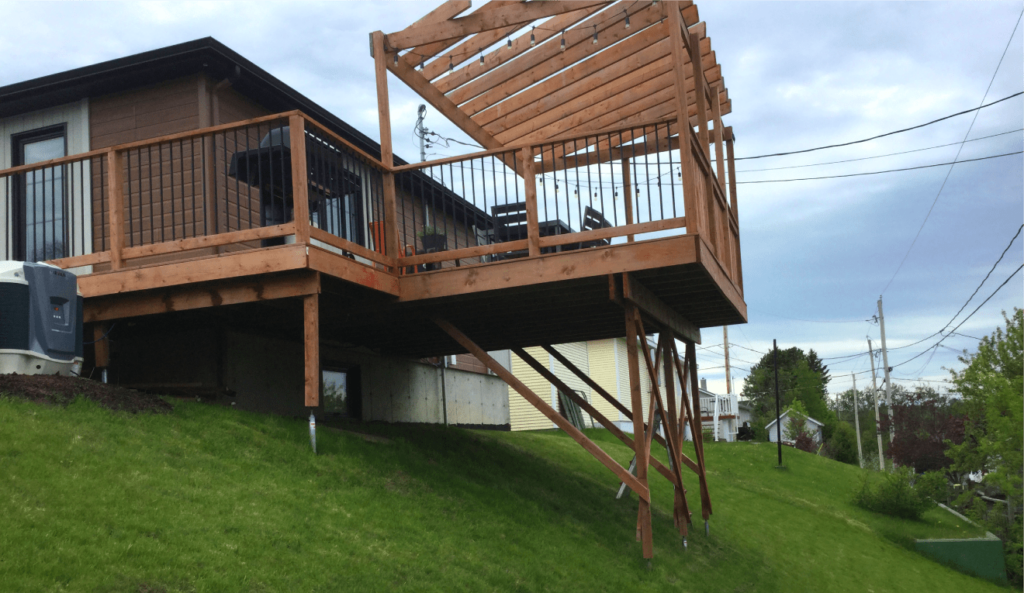

Sloped or uneven gardens present a major challenge when laying traditional foundations. Digging, leveling, or constructing retaining walls can be time-consuming and costly. This is where Gorilla Base ground screws shine—they’re designed to handle uneven terrain with ease.
Ground screws are installed individually, allowing each one to be adjusted to the precise height needed. This flexibility means that even if one end of your site is significantly higher than the other, your building can still sit level and secure.
Because no heavy excavation is needed, there’s minimal disruption to your garden’s layout. You won’t need to cart in tons of soil or concrete, or wait days for anything to set. The result? A fast, low-mess foundation solution that works in places concrete simply can’t.
Gorilla Base ground screws also help preserve natural drainage and prevent pooling water that might otherwise collect around a concrete base on a slope.
For hilly gardens, banked plots, or any area with difficult levels, ground screws offer a clean, smart solution that gets your building up and running quickly.
Ground screws work effectively on gradients up to 30°, making them suitable for the vast majority of UK gardens. On a gentle slope of 5–15°, standard installation takes as little as half a day. On steeper gradients up to 25–30°, each screw is driven to a calculated depth and extended with adjustable posts to achieve a perfectly level bearing surface. No excavation. No retaining structures. No concrete poured on an angle.
The result is a foundation on a slope that is both structurally sound and reversible — screws can be removed and repositioned if your plans change.
Ground screws are suitable for most domestic slopes and uneven ground conditions found in UK gardens. They perform well in clay, sandy loam, and chalk soils. Very steep gradients above 30° or sites with loose fill or made-up ground may require a preliminary soil assessment. In most cases, building on uneven ground with ground screws is faster and more cost-effective than any traditional alternative — without a single bag of concrete.
Yes. Ground screws are driven directly into uneven ground and adjusted individually to create a level bearing surface. No concrete is needed — installation is typically completed in a few hours, and the foundation is ready to build on immediately.
Gorilla Base ground screws are effective on gradients up to approximately 30°. For most domestic UK gardens — even visibly sloped plots — this covers the full range of typical conditions. Gradients steeper than 30° may require a site assessment before installation.
A concrete pad on sloping ground requires significant excavation, levelling, and curing time — often several days. Ground screws are installed in hours with no digging, no concrete, and no waiting. They also preserve natural drainage and can be fully removed if needed, making them a more flexible and eco-friendly alternative.
Ground screws perform well in the most common UK soil types, including clay, sandy loam, and chalk. Sites with very loose fill or made ground may need assessment. The British Geological Survey provides free online soil and ground condition maps that can help you understand your site before installation.
For most garden buildings such as sheds, summerhouses, and small garden rooms, planning permission is not required under permitted development rules — regardless of whether the ground is level or sloped. However, permitted development has limits on size and placement. You can check the rules for your property on GOV.UK Planning.
Planning a shed on sloped ground? Read our complete guide to shed bases on slopes, comparing ground screws, concrete, and timber frame options.